Monday, January 12, 2026 • Industry and Trends
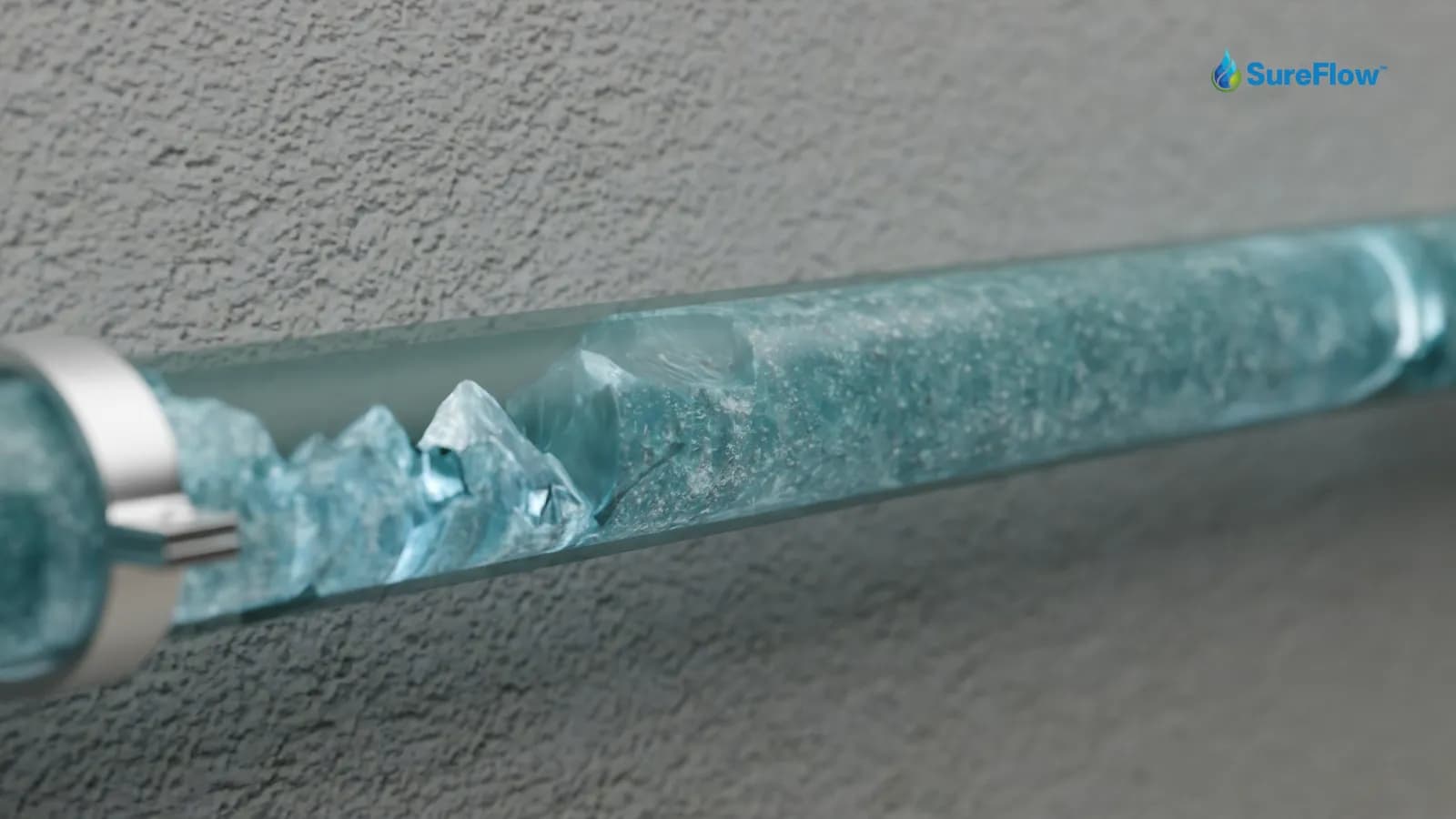
Winter temperatures pose a serious risk to a building’s water system. When temperatures drop too low, water inside pipes can freeze solid. As the ice expands, it puts pressure on the pipe walls. Over time, this pressure can crack the pipe or create small fractures that go unnoticed until the ice melts and water begins to leak.
The challenge lies in detecting the problem before it’s too late. By the time faucet water pressure drops or water is discovered flooding through floors and walls, the damage has already been done. Hidden leaks from these cracks can waste thousands of gallons of water, significantly increasing water bills before anyone realizes there’s an issue.
The Real Cost of Reactive Response
Recent freeze events in the Dallas–Fort Worth area reveal the consequences. At JD’s Hamburgers in Fort Worth, frozen pipes burst overnight, and employees arrived to find the kitchen flooded, forcing an unplanned closure during peak business hours. At Dallas Love Field Airport, freezing temperatures caused pipes to rupture, triggering fire suppression systems and forcing the evacuation of sections of the terminal.
In the UK, freezing temperatures caused widespread pipe failures across Kent, leaving thousands without water. Two hospitals canceled operations, diverted emergency patients, and relied on bottled water after pipes burst.
The financial impact extends beyond repair bills. Insurance claims, premium increases, and lost business revenue compound the initial damage. Properties that experience winter pipe failures often face recurring issues during subsequent cold periods.
The Strain on Water Providers
Water companies face their own operational crises during freeze events. Emergency response teams work around the clock to address service line failures across multiple properties. Customer service centers become overwhelmed with calls from frustrated customers experiencing outages, while repair crews struggle to keep pace with simultaneous failures across service territories.
Each pipe failure results in significant water loss; sometimes thousands of gallons escape before crews can isolate the damage. Supply interruptions can affect entire neighbourhoods during repairs. Operational costs escalate rapidly, including overtime labour, emergency equipment deployment, temporary restoration measures, and infrastructure replacement. These incidents damage system reliability, undermine customer confidence, and invite regulatory scrutiny, with effects extending well beyond the cold season.
Early Detection Makes the Difference
Addressing this challenge requires real-time visibility into water flow patterns. When flow stops unexpectedly or exhibits changes that indicate freezing conditions, intervention becomes possible before structural failure occurs.
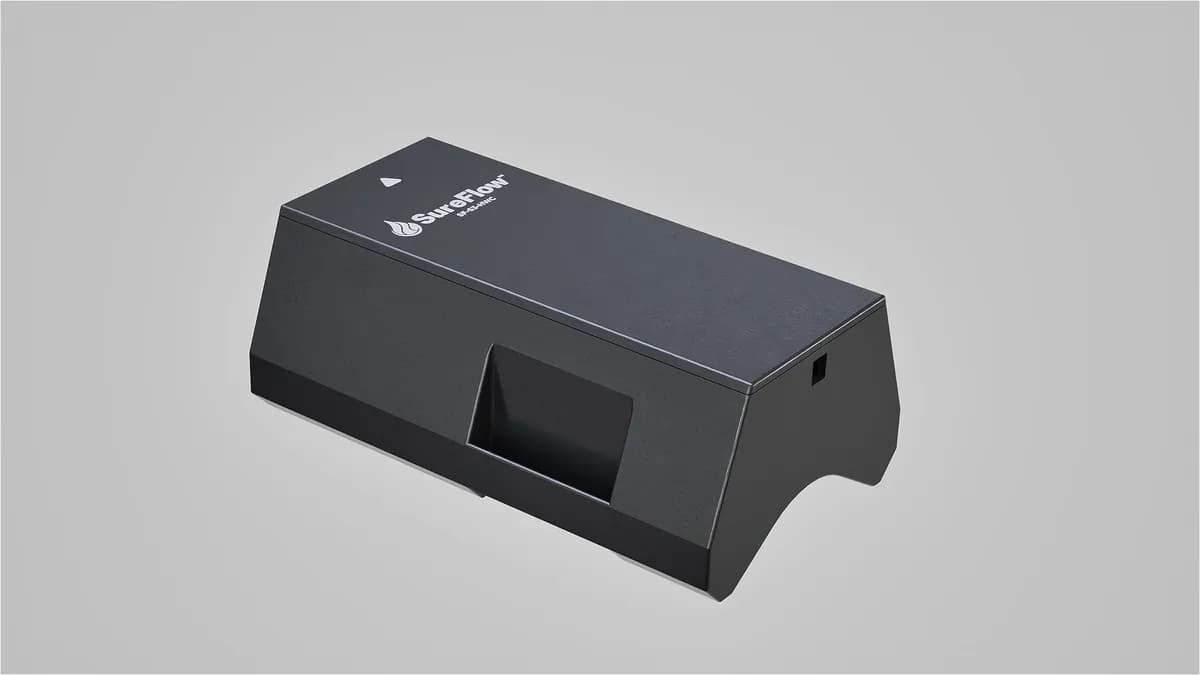
The SureFlow Water Clamp Sensor continuously monitors water flow using ultrasonic technology. Installed externally on pipe surfaces, without cutting or altering plumbing, the system tracks flow patterns across the property.
AI-powered analysis combines flow pattern monitoring with real-time weather forecasts. The system identifies unexpected flow stoppages, early signs of ice formation, and fully frozen pipes.
Real-time alerts delivered through the SureFlow mobile application enable immediate action during the critical window, helping prevent damage and minimize water loss.
Protecting Infrastructure Before the Next Freeze
Frozen pipe damage is preventable with early detection. The difference between a minor intervention and a major disaster is knowing what’s happening inside the plumbing system before damage becomes visible.
Worried about frozen pipe risks across the properties? SureFlow’s continuous flow monitoring provides the real-time visibility needed to detect freezing conditions before damage occurs.
Connect with SureFlow to learn how proactive water-flow detection can protect infrastructure during cold weather.