
 Press Articles
SureFlow: Unlocking Smarter Cities Through Intelligent Infrastructure
The European Business Review2026-08-12
Press Articles Industry and Trends
Most housing providers discover mould problems the same way: a tenant calls to report black spots on the bedroom wall, a musty smell in the bathroom, or visible growth around windows. By that point, remediation is the only option, and it's rarely simple or cheap.
The environmental conditions that lead to mould, elevated humidity, inadequate ventilation, and surfaces reaching the dew point, develop gradually over weeks or months. Traditional inspection methods occur too infrequently to catch these developing conditions. Without continuous monitoring, properties deteriorate undetected until physical damage or health complaints force intervention, turning what could have been simple ventilation adjustments into complex, costly remediation projects.
 Industry and Trends
Turning on a tap should deliver clean, safe drinking water. This relies on a simple principle: water flows in one direction from treatment plants through distribution pipes to homes and businesses. But what happens when that flow suddenly reverses?
Backflow happens when pressure dynamics in water systems change unexpectedly. Sudden pressure drops or external systems that create excessive pressure reverse the normal flow direction, allowing contaminated water to flow back through the plumbing system into clean water supplies. Communities worldwide have faced severe health crises when backflow allowed pesticides, industrial chemicals, sewage, and other hazardous substances to enter their drinking water.
 Industry and Trends
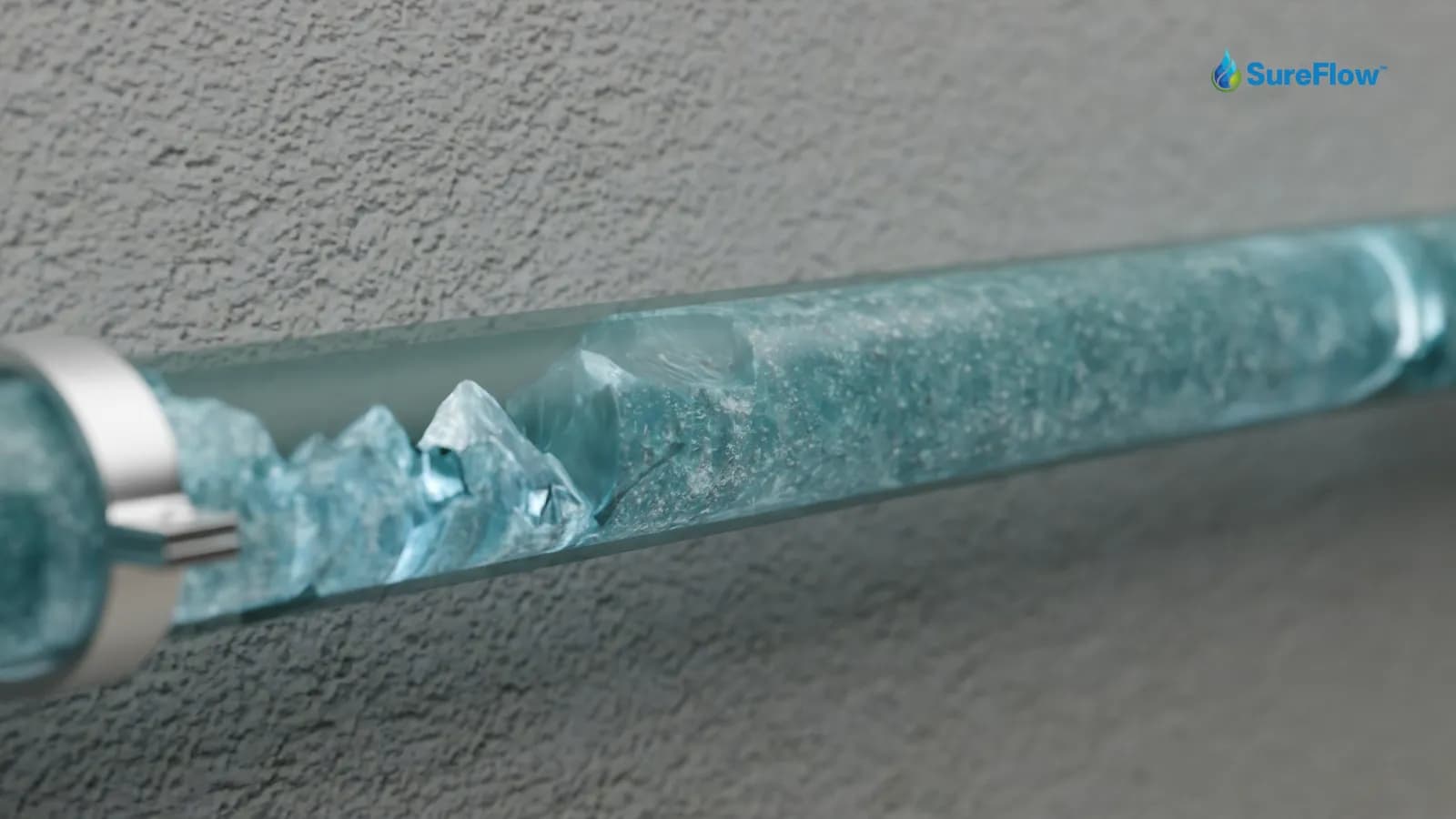
Winter temperatures pose a serious risk to a building’s water system. When temperatures drop too low, water inside pipes can freeze solid. As the ice expands, it puts pressure on the pipe walls. Over time, this pressure can crack the pipe or create small fractures that go unnoticed until the ice melts and water begins to leak.
The challenge lies in detecting the problem before it’s too late. By the time faucet water pressure drops or water is discovered flooding through floors and walls, the damage has already been done. Hidden leaks from these cracks can waste thousands of gallons of water, significantly increasing water bills before anyone realizes there’s an issue.
 Industry and Trends
Cities worldwide face a critical challenge: their water infrastructure is aging, yet complete replacement is economically unsustainable. With 60% of the world's population expected to live in urban areas by 2030, water systems built decades ago struggle under increasing demand.
Infrastructure maintenance already consumes 60% of annual city budgets, while construction activity accounts for 40% of a city's lifetime carbon footprint. The investment gap between current infrastructure spending and what's needed to achieve sustainability goals is projected to reach 18 trillion USD by 2040.
The answer isn't building more, it's making what we have smarter through retrofit technology.
 Press Articles
 Industry and Trends
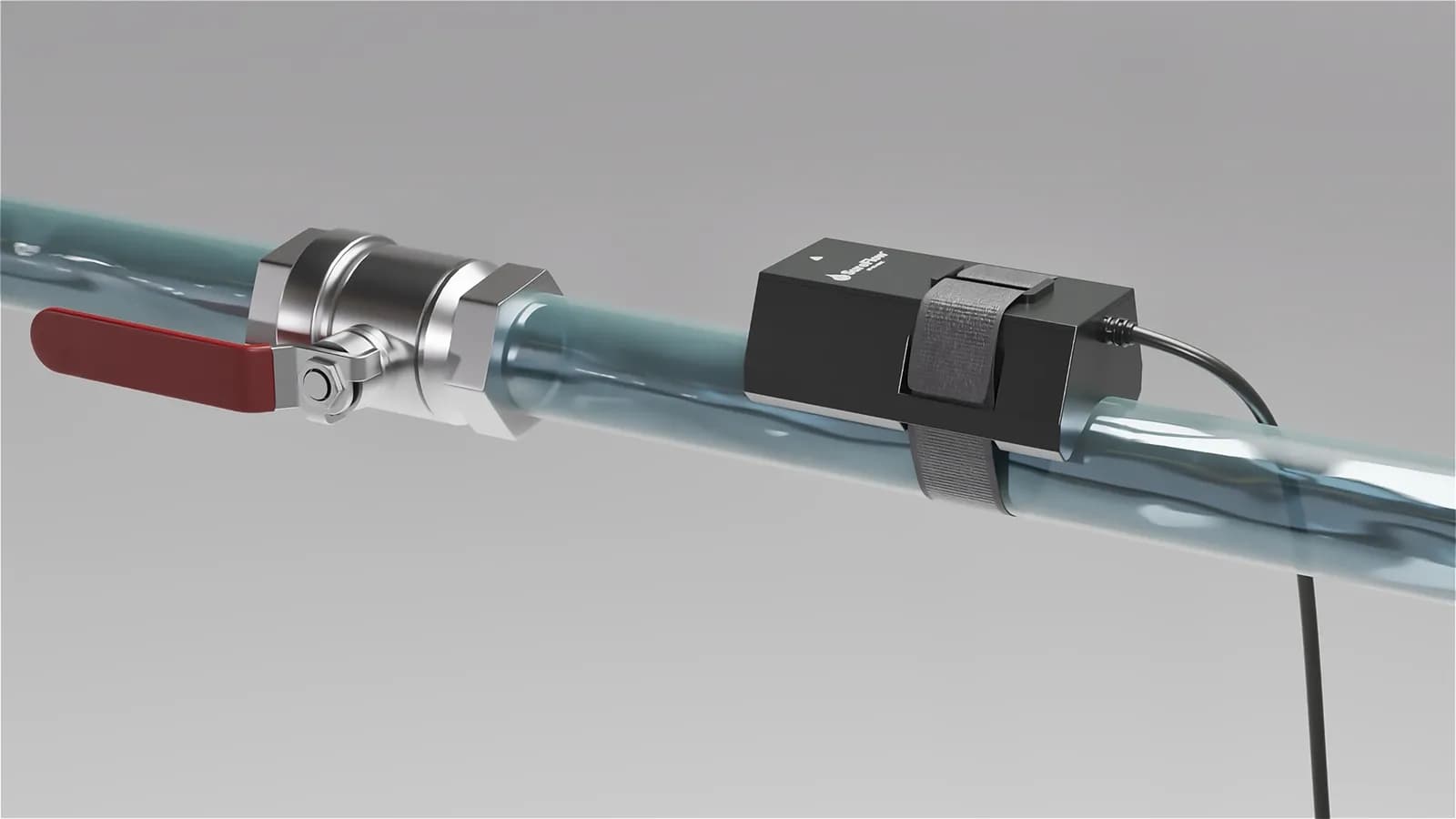
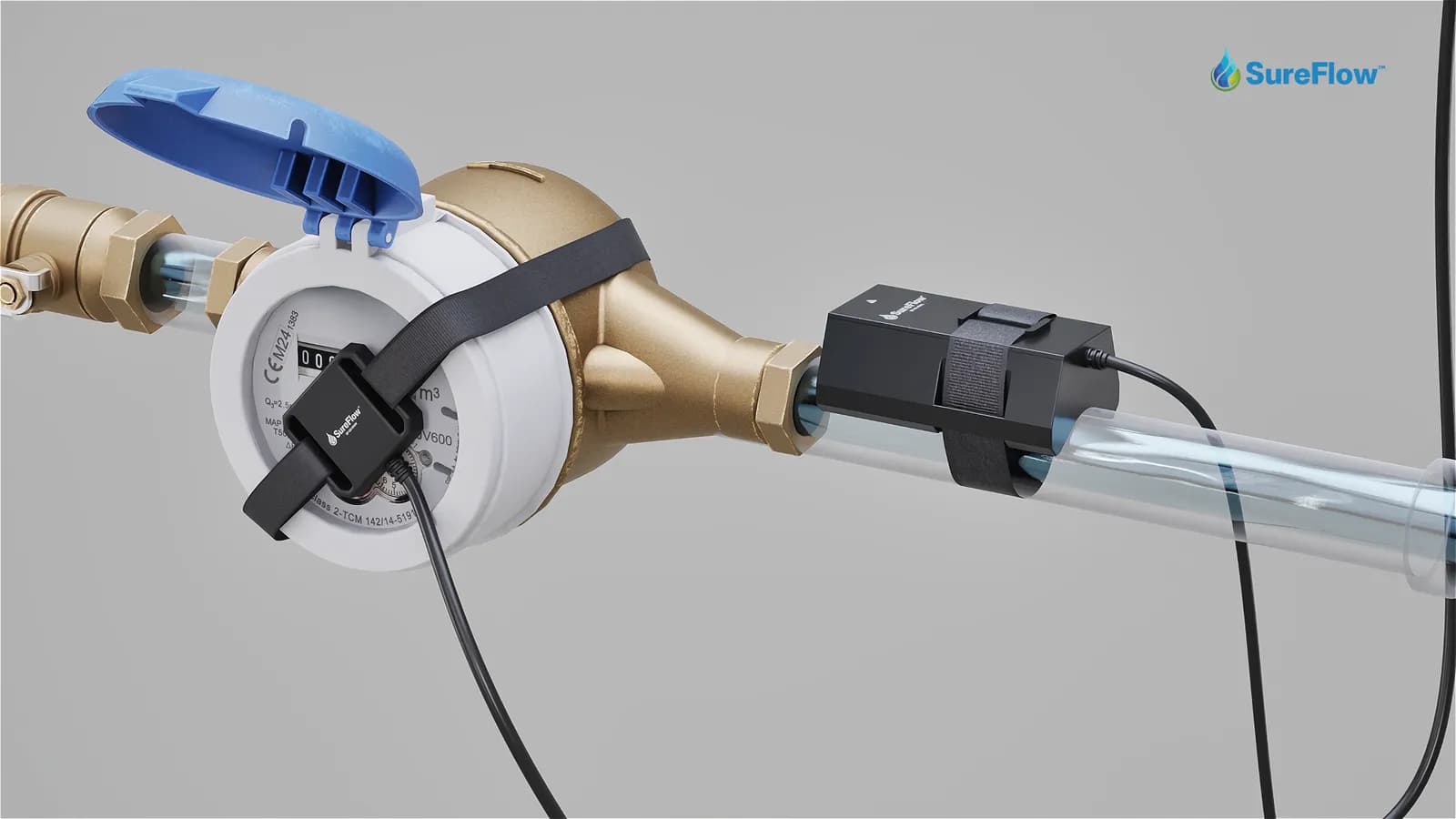
Water meters are designed to measure liquid flow. But what if they can't tell the difference between water and air? Service interruptions happen regularly, maintenance work, infrastructure repairs, water rationing. Each time supply stops, pipes get drained and air fills the void. When service resumes, that air rushes through mechanical meters built to measure volume displacement, not composition. The meter counts it just like water. It spins, records usage, and adds to your bill.
The result? Bills reflect phantom consumption of water that was never delivered. Customers end up paying for air that passed through empty pipes during service interruptions. This isn't a rare glitch. It's a widespread problem affecting water customers around the world, and it stems from a fundamental limitation in how traditional mechanical meters work.
 Industry and Trends
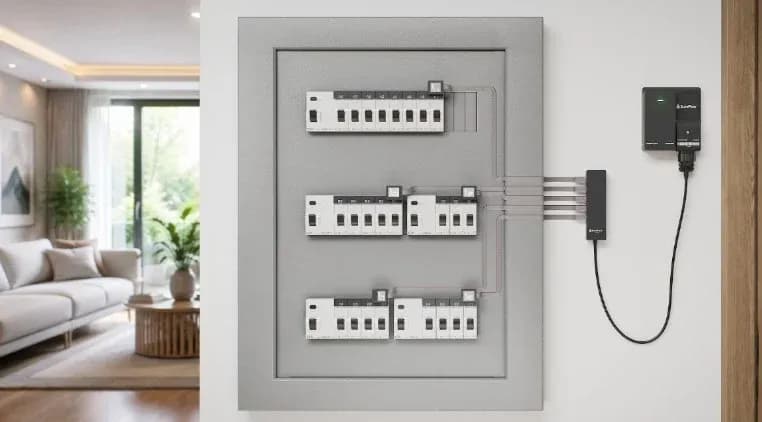
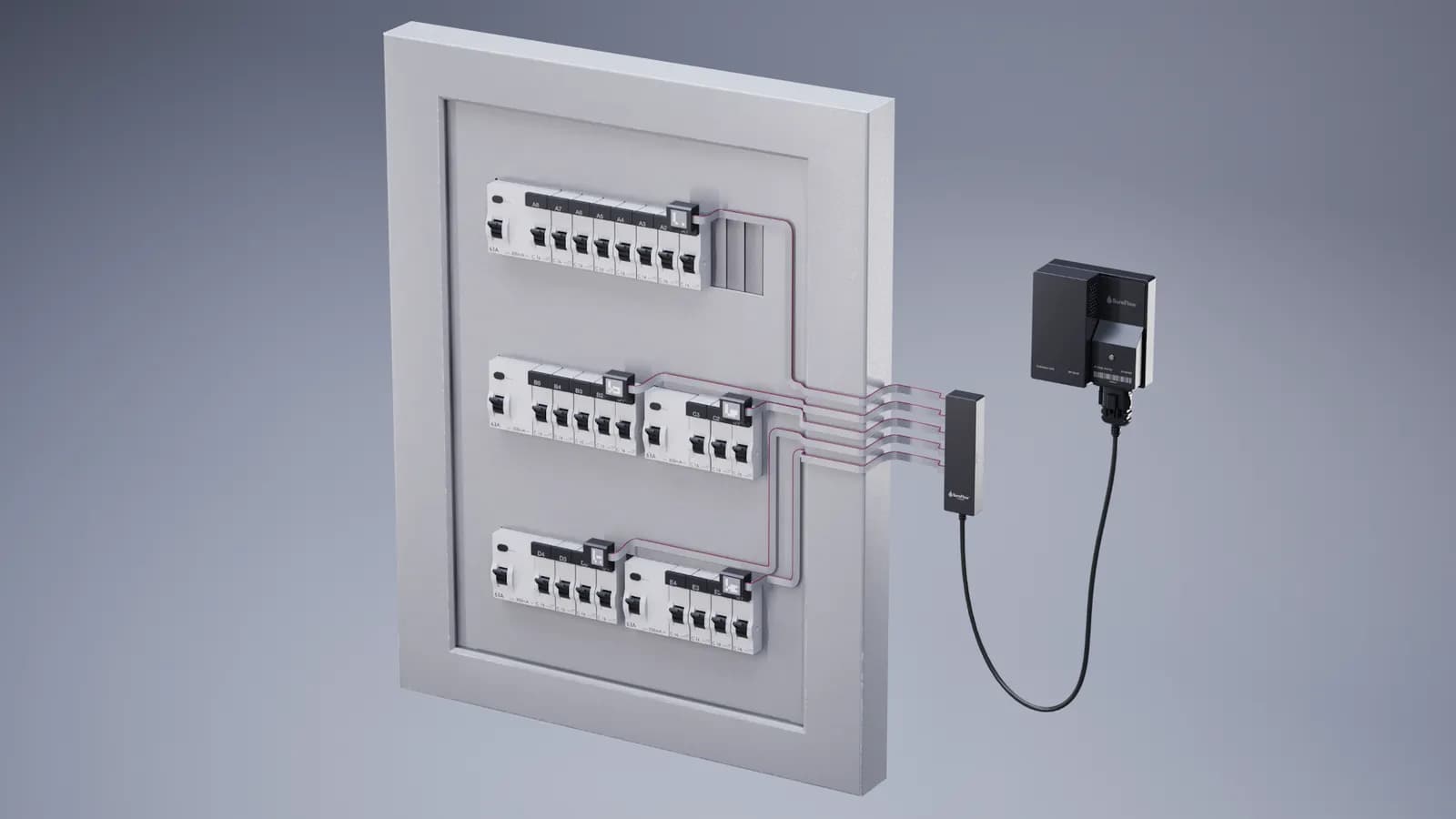
An electrical panel doesn't show what's really going on inside. From the outside, everything looks perfectly fine. lights and equipment running, no obvious problems. But behind that panel door, a connection could already be coming loose and starting to heat up, building toward a serious problem you won't see until it's too late.
 Press Articles
 Press Articles
 Press Articles
 Press Articles